
Understanding the Role of a Camshaft Sensor in Fuel Injection Timing
What is a Camshaft Sensor?
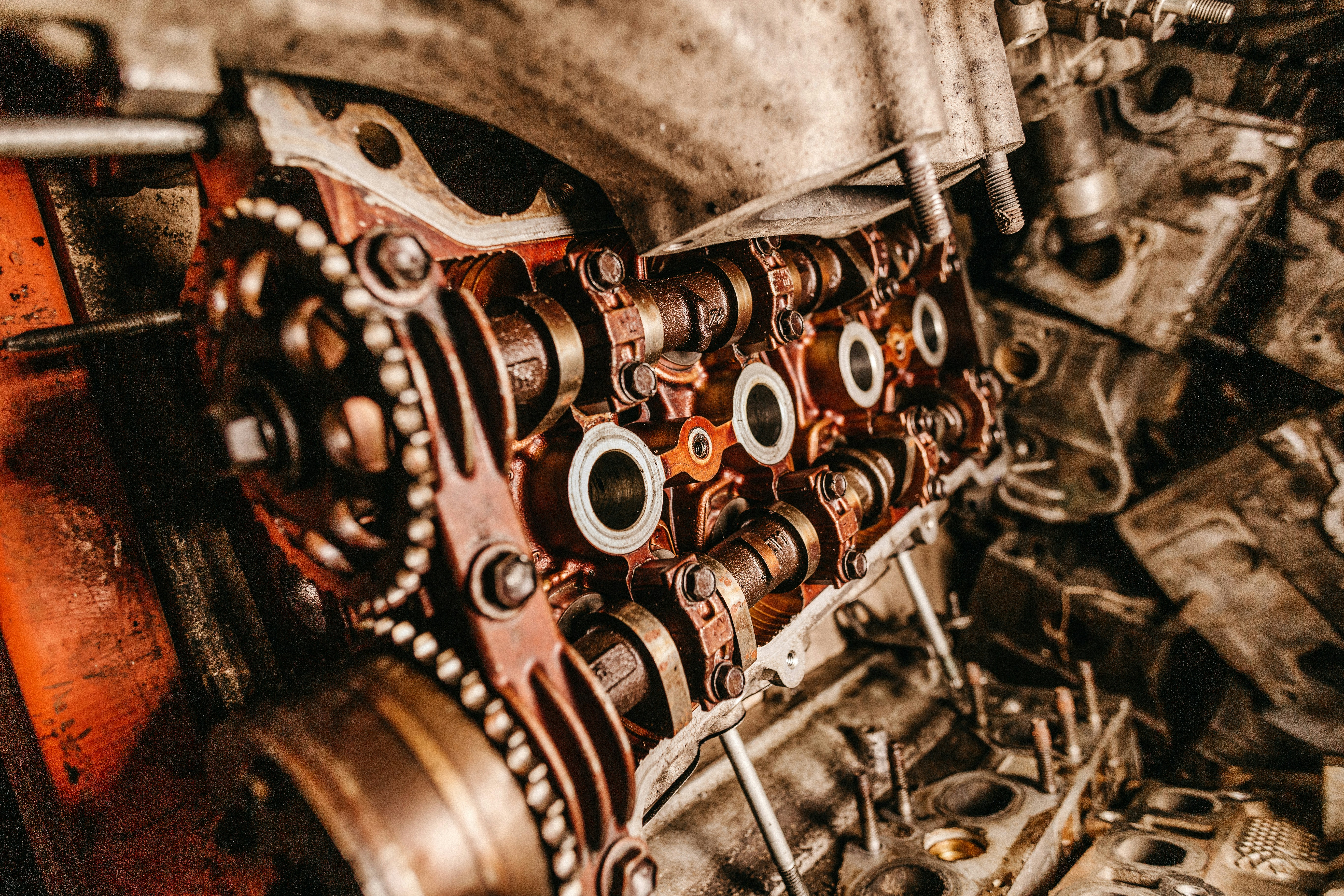
A camshaft sensor is a critical component in modern automotive systems, responsible for monitoring the position and rotational speed of the camshaft. This device plays a vital role in controlling engine timing, which is essential for optimal performance and efficiency. Without accurate readings from the camshaft sensor, the engine’s fuel injection timing may be adversely affected, leading to reduced power output, increased emissions, or even engine misfires.
Camshaft sensors typically come in two varieties: the magnetic inductive sensor and the Hall-effect sensor. The magnetic inductive sensor functions by detecting magnetic fields, while the Hall-effect sensor uses a magnetic field to produce a voltage signal. This diversity in sensor technology allows manufacturers to select the most appropriate type for specific engine designs and requirements.
The construction of a camshaft sensor generally includes a sensing element, which is usually a coil or a semiconductor, housed in a protective casing. These sensors are installed at the camshaft or near the timing belt, ensuring they can accurately detect its movement. Furthermore, camshaft sensors communicate with the engine control unit (ECU) to relay precise position information, enabling the ECU to adjust fuel delivery and ignition timing accordingly. This communication is crucial for maintaining an efficient air-fuel mixture that maximizes combustion efficiency.
In essence, the camshaft sensor acts as a bridge between the mechanical operation of the engine and the electronic control systems. By interfacing with other vital components like the crankshaft sensor and throttle position sensor, it significantly influences various aspects of engine performance, including acceleration, idling, and overall drivability. An effective camshaft sensor ensures that the engine operates smoothly and efficiently, making it an indispensable part of contemporary automotive engineering.
The Importance of Accurate Fuel Injection Timing
Accurate fuel injection timing is critical for optimal engine performance. It influences the combustion process, which directly affects engine efficiency, power output, and emissions. When the fuel is injected into the combustion chamber at the right moment, it allows for a more complete burn, maximizing energy from the fuel. Conversely, poor timing can lead to significant inefficiencies, resulting in energy wastage and increased emissions, which are detrimental to both the environment and the vehicle’s operational costs.
The camshaft sensor plays a pivotal role in ensuring precise fuel injection timing. This sensor detects the position and speed of the camshaft, relaying real-time data to the vehicle’s electronic control unit (ECU). The ECU processes this information to alter the timing of fuel injection, optimizing it according to various engine conditions. This dynamic adjustment fosters enhanced power delivery, fuel economy, and lower exhaust emissions.
When camshaft sensors malfunction, they can cause inaccurate data readings. This leads to poor fuel injection timing, which can hinder engine performance. An engine with improper timing may experience rough idling, reduced horsepower, and adverse environmental impacts due to increased hydrocarbon and nitrogen oxide emissions. Moreover, it may lead to premature engine wear and tear, resulting in significant repair costs over time.
Modern engines are increasingly reliant on sophisticated ECU systems that leverage input from camshaft sensors. These systems continually adjust various engine parameters to accommodate driving conditions, load variations, and other factors. By ensuring that fuel injection timing is accurate, these technologies play an integral role in optimizing performance, promoting longevity, and improving fuel efficiency.
Signs of a Faulty Camshaft Sensor
Identifying a malfunctioning camshaft sensor is crucial for ensuring optimal engine performance. Regular monitoring can help in detecting any potential issues early. One of the most common signs of a faulty camshaft sensor is poor engine performance. If the sensor is unable to accurately relay the position of the camshaft to the engine control unit, it can lead to incorrect fuel injection timing, which significantly affects the vehicle’s power and acceleration.
Another symptom to watch for is engine stalling. When the camshaft sensor fails, it can cause the engine to abruptly stall while driving or at idle, which poses a safety risk. Additionally, inconsistent or rough idling may also indicate that the sensor is malfunctioning, as it disrupts the balance of air and fuel mixture required for smooth operation.
Hard starting can also point to camshaft sensor issues. A vehicle may take longer to start or may not start at all if the sensor is not sending the correct signals. This inconsistency can stem from the inability of the engine control unit to determine the right timing for fuel injection, resulting in difficulty during ignition.
Lastly, the illumination of the check engine light is another telltale indication. When the camshaft sensor malfunctions, the engine control unit records a fault code, prompting the check engine light to turn on. Mechanics typically utilize diagnostic tools to read these codes and determine the underlying cause, which may very well be the camshaft sensor.
Noticing these signs can facilitate timely repairs, preventing further complications and costly repairs related to engine performance.
Cost and Replacement of a Camshaft Sensor
The cost of replacing a camshaft sensor can vary significantly, depending on several factors. On average, the price range for these sensors is typically between $24.50 and $80, although prices can fluctuate based on brand and vehicle make. High-performance or OEM parts tend to cost more, with some specialized sensors reaching up to $200. This variation in price often reflects the quality and reputation of the manufacturer, the specific design required for different vehicle models, and the additional features some sensors may offer.
When considering replacing a camshaft sensor, it’s essential to assess whether it is a task suitable for a DIY enthusiast or best left to a professional mechanic. If you have some automotive repair experience and access to the necessary tools, replacing a camshaft sensor is often manageable. The process typically involves locating the sensor, disconnecting the electrical connector, removing any fasteners, and installing the new sensor. However, those unfamiliar with engine components should seek professional help to ensure the replacement is performed correctly and safely.
Using quality parts for replacement is crucial when it comes to the camshaft sensor, as inferior components can lead to premature failures or malfunctioning. The camshaft sensor plays a critical role in the fuel injection timing of an engine, making its reliability essential for optimal engine performance. Poor-quality sensors may not provide accurate readings, which could impact fuel efficiency and engine performance negatively. Additionally, investing in a high-quality sensor often results in enhanced durability and long-term performance, ultimately saving on future repair costs.