
Understanding Cylinder Head Gaskets: The Key to Preventing Leakage Between Engine Blocks
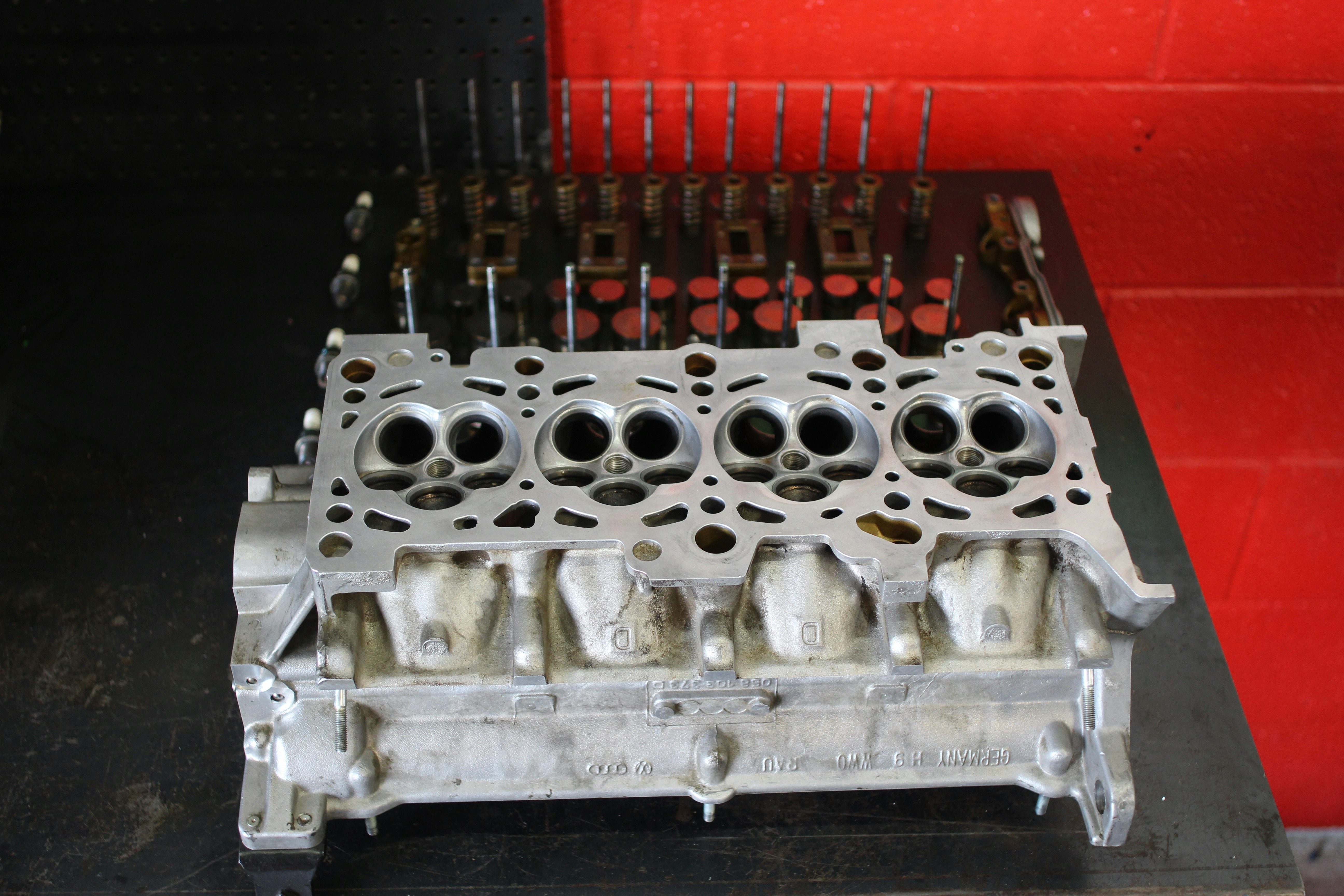
Understanding Cylinder Head Gasket
A cylinder head gasket is an essential component of an internal combustion engine, serving as a crucial barrier between the engine block and the cylinder head. Its primary function is to create a tight seal that prevents the leakage of fluids and gases during engine operation. This seal is vital for maintaining the compression necessary for optimal engine performance and efficiency. When the engine is running, the cylinder head gasket withstands substantial pressure and temperature fluctuations, making it critical to overall engine health.
The placement of the cylinder head gasket is strategic; it is situated directly between the engine block, which houses the cylinders, and the cylinder head, where the fuel-air mixture is ignited. This positioning is essential, as any failure of the gasket can lead to severe issues such as coolant leaks, oil leaks, or compromised compression, often resulting in costly repairs. Commonly experienced symptoms of a failing cylinder head gasket include overheating, white smoke from the exhaust, or a visible oil-water mixture in the engine.
Cylinder head gaskets are constructed from various materials, each offering unique properties to handle the demanding environment of an engine. Traditional head gaskets used materials such as asbestos, which have since been replaced due to safety concerns. Modern gaskets are commonly made from substances like composite materials, multi-layered steel, or rubber, which provide improved durability and resistance to high temperatures. The evolution of gasket design has focused on enhancing reliability and effectiveness, minimizing the risk of leaks and improving the longevity of the engine itself. Through advancements in automotive technology, cylinder head gaskets have become more sophisticated, ultimately playing a crucial role in overall engine performance and efficiency.
The Role of Cylinder Head Gaskets in Engine Performance
Cylinder head gaskets serve a pivotal function in maintaining the integrity and performance of an engine. Positioned between the engine block and the cylinder head, these gaskets are tasked with preventing the mixture of engine fluids such as oil and coolant. This critical sealing capability is essential for the smooth operation of an engine, as it ensures that the combustion process functions as intended without interruptions from leakages.
One of the primary roles of a cylinder head gasket is to maintain optimal compression within the engine cylinders. A proper seal allows for the pressure generated during combustion to remain contained, thereby enhancing engine efficiency and power output. If the gasket fails, a condition known as “blown head gasket” can occur, leading to a significant drop in engine performance. This failure is typically indicated by symptoms such as white smoke emitting from the exhaust, a noticeable decrease in engine power, and the presence of coolant in the oil.
Moreover, the gasket also contributes to sustained engine temperature regulation. By preventing coolant from leaking into combustion chambers, the gasket helps to maintain consistent operating temperatures, mitigating the risk of overheating. Conversely, a gasket that is compromised can allow the engine to overheat, resulting in further engine damage and, in some cases, requiring costly repairs.
A failing cylinder head gasket not only affects the engine’s performance but can also lead to severe mechanical complications if not addressed promptly. Symptoms such as fluctuating engine temperature, engine misfires, and low coolant levels should alert drivers to the potential need for inspection and, if necessary, replacement of the gasket. The overall health of an engine largely hinges on the functionality of its cylinder head gasket, making it a critical component in automotive engine performance.
Common Issues Related to Cylinder Head Gaskets
Cylinder head gaskets play a pivotal role in the functioning of an engine, acting as a seal between the engine block and the cylinder head. When these gaskets wear out or fail, it can result in several serious issues that impact vehicle performance and engine integrity. One of the most common signs of a failing head gasket is the occurrence of coolant leaks. This can lead to a noticeable drop in coolant levels and can manifest as puddles of coolant under the vehicle. If left unaddressed, this can cause overheating, which is another prominent indicator of gasket problems.
Overheating engines often signify a breach in the gaskets that allows coolant and oil to mix, possibly resulting in significant engine damage if the problem is not rectified swiftly. Additionally, a loss of power can be felt during acceleration if the head gasket is compromised. This loss of power may stem from reduced compression in the engine, making it less efficient and responsive. A vehicle experiencing these symptoms may require immediate diagnostic assessment to avoid further complications.
Several factors contribute to gasket failure, including improper installation of the gasket during repairs. A subpar installation can lead to uneven seating and sealing, which ultimately results in leaks. Furthermore, engines that routinely operate under high temperatures are more likely to experience gasket issues due to thermal expansion and contraction that can weaken the material over time. The use of inferior gasket materials can also significantly diminish the longevity of a cylinder head gasket, making it crucial for vehicle owners to select high-quality components for their engine repairs.
Preventive Measures and Maintenance for Cylinder Head Gaskets
Proper maintenance of cylinder head gaskets is critical in preventing leakage between engine blocks and ensuring optimal vehicle performance. One of the most effective preventive measures is conducting regular engine checks. Routine inspections can identify early signs of wear and tear, allowing for timely intervention before a small issue escalates into a significant failure.
Utilizing quality materials during repairs is essential for maintaining the integrity of cylinder head gaskets. When replacing gaskets, it is advisable to opt for high-grade materials recommended by the manufacturer, as inferior products often lead to quicker degradation and leakage. Proper installation techniques must also be observed to ensure a secure fit, which helps in maintaining the overall health of the engine.
Monitoring engine temperature plays a crucial role in preventing overheating, a common cause of gasket failure. Maintaining the engine at optimal temperatures ensures that the cylinder head gasket functions effectively, sealing off any potential leak paths that could form due to thermal expansion. Regular checks of the cooling system and ensuring that the thermostat is functioning correctly can help keep the engine within safe temperature ranges.
Following manufacturer guidelines for maintenance cannot be overstated. Vehicle manufacturers provide specific recommendations regarding service intervals, types of fluids to use, and inspection procedures that are instrumental in maintaining engine health. Ignoring these guidelines can result in improper maintenance leading to premature gasket failure.
Finally, consistent routine servicing can extend the lifespan of the cylinder head gasket. Regular oil changes, coolant checks, and necessary repairs help in keeping the engine components clean and well-lubricated, reducing the risk of overheating and ensuring that the gasket performs its sealing function effectively. By adopting these practices, vehicle owners can significantly reduce the chances of head gasket leaks and associated engine problems.