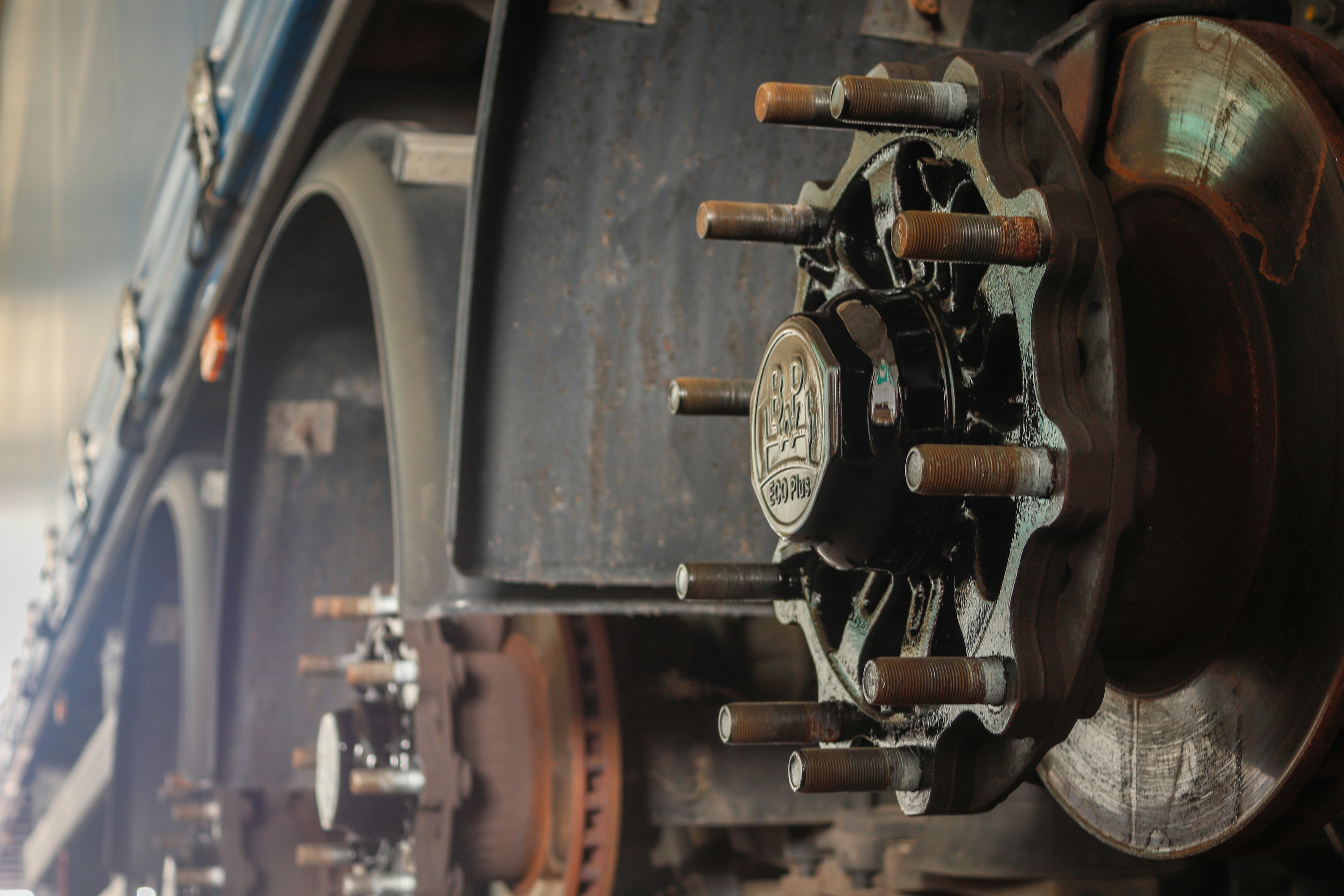
What is an Axle Shaft?
An axle shaft is a critical component of a vehicle’s drivetrain, responsible for transferring power from the engine to the wheels. It serves as a connecting link between the differential and the wheels, effectively enabling the vehicle to move. In essence, axle shafts help transmit the rotational force generated by the engine’s power through the drivetrain, allowing for seamless motion.
The construction of axle shafts generally consists of high-strength materials such as steel or alloy, designed to withstand the torsional forces and stresses encountered during operation. These shafts are typically cylindrical in shape and are available in different types, primarily categorized into front and rear axle shafts. The front axle shafts are primarily found in vehicles that utilize a front-wheel-drive system or all-wheel-drive systems, while rear axle shafts are commonly associated with rear-wheel-drive configurations.
Axle shafts are essential for maintaining vehicle stability and handling by ensuring that power is evenly distributed to the wheels. The mechanics of an axle shaft include additional components that assist in this power transfer, such as universal joints in some applications, allowing for flexibility in motion as the wheels encounter various terrains. Moreover, the design and specifications of axle shafts can vary significantly depending on the vehicle type, weight, and intended use, with performance or heavy-duty models requiring stronger, more robust shafts to handle increased stress.
Understanding the role and function of axle shafts enhances awareness of their importance in automotive engineering. As integral parts of the drivetrain system, they directly impact a vehicle’s performance, efficiency, and safety on the road.
The Role of the Axle Shaft in Power Transfer
At the heart of any vehicle’s drivetrain is the axle shaft, a crucial component responsible for delivering power from the engine to the wheels. The axle shaft directly connects the differential to the wheels, enabling the transfer of torque generated by the engine. When the driver accelerates, the engine produces torque, which is transmitted through the transmission to the differential. The differential then distributes this torque evenly to the axle shafts, which subsequently drive the wheels. This interplay between the axle shaft and other drivetrain components is essential for effective power transfer.
The efficiency of the axle shaft in transferring power can be influenced by several factors. For instance, the design and material of the axle shaft play a significant role in its ability to handle torque. Heavy-duty axle shafts are constructed from robust materials, allowing them to withstand the stresses of high torque, particularly in off-road or performance driving conditions. Additionally, the spinning motion of the axle shaft has to be coordinated with the rotational speed of the wheels for optimal performance. The balance between these elements ensures that power is not wasted, allowing for smoother vehicle handling.
Driving conditions can further impact the performance of the axle shafts. For instance, in slippery environments, the torque delivered to the wheels can cause one wheel to slip while the other maintains traction. This necessitates a design that accommodates such variations, often requiring the axle shafts to be flexible enough to adapt to different driving conditions. In advanced vehicles, features like limited-slip differentials may work in conjunction with axle shafts to optimize power distribution based on the traction available. Understanding these dynamics emphasizes the critical role of axle shafts in the overall efficiency and performance of a vehicle’s drivetrain.
Cost and Replacement of Axle Shafts
Axle shafts play a critical role in the functionality of vehicles, transmitting power from the differential to the wheels. Understanding the costs associated with axle shaft replacement is essential for vehicle owners to prepare for maintenance and ensure optimal performance. On average, the cost of a new axle shaft typically hovers around $150.00. However, this figure can vary based on several factors, including the make and model of the vehicle, the complexity of the installation process, and whether aftermarket or original equipment manufacturer (OEM) parts are used.
Several factors can influence the price of axle shaft replacement. For instance, vehicles with unique specifications or advanced technology may demand higher costs due to specialized axle shafts. Additionally, labor charges can significantly affect the overall expense, as some axle replacements may require extensive disassembly of other vehicle components, increasing labor time. It is always advisable to obtain quotes from multiple mechanics to gauge the market rate for your specific vehicle.
Recognizing when it is necessary to replace an axle shaft is crucial for preventing further damage and maintaining road safety. Some common symptoms of a failing axle shaft include unusual noises while turning, an increase in vibrations, or a noticeable decrease in performance. Drivers should be attentive to any clunking or grinding sounds, which often indicate impending axle shaft issues. Furthermore, visible damage such as cracks or bends in the axle shaft should prompt immediate inspection by a qualified mechanic.
In conclusion, understanding the cost and necessary components of axle shaft replacement not only aids in budget preparedness but also promotes informed decision-making regarding vehicle maintenance. With timely intervention, vehicle owners can save on more extensive repairs and ensure a safe driving experience.
Choosing the Right Axle Shaft for Your Vehicle
Selecting the right axle shaft is crucial for the performance and integrity of your vehicle. When considering an axle shaft, the first step is to identify your vehicle’s make and model. Different vehicles are designed with unique specifications, which can significantly affect the size and type of axle shaft that will fit correctly. Each make and model may have specific requirements in terms of size, length, and strength. Failure to ensure compatibility can lead to serious performance issues.
Another important factor to consider is the performance needs of your vehicle. Are you using your vehicle for regular commuting, or does it require performance enhancements for off-roading, towing, or racing? Depending on your needs, you may require a reinforced or heavy-duty axle shaft that can withstand higher stress levels. Performance axle shafts often feature advanced materials or designs that offer improved torque transfer and durability, ensuring that your vehicle operates smoothly under varying conditions.
Quality and fit are paramount when choosing an axle shaft. Investing in high-quality components from reputable manufacturers can prevent premature wear and potential equipment failure. When purchasing an axle shaft, it is advisable to opt for original equipment manufacturer (OEM) parts or high-quality aftermarket options designed specifically for your vehicle’s performance category. If unsure, consulting with a professional mechanic can also provide valuable insights into the best choices for your specific requirements.
When it comes to purchasing, axle shafts can be bought from various sources, including auto parts stores, online retailers, and dealerships. For complex installations, professional assistance is often recommended to ensure the axle shaft is correctly fitted and to avoid installation errors that could compromise vehicle safety. A skilled mechanic will not only guarantee proper installation but can also offer guidance on the best axle shaft options tailored to your vehicle’s needs.