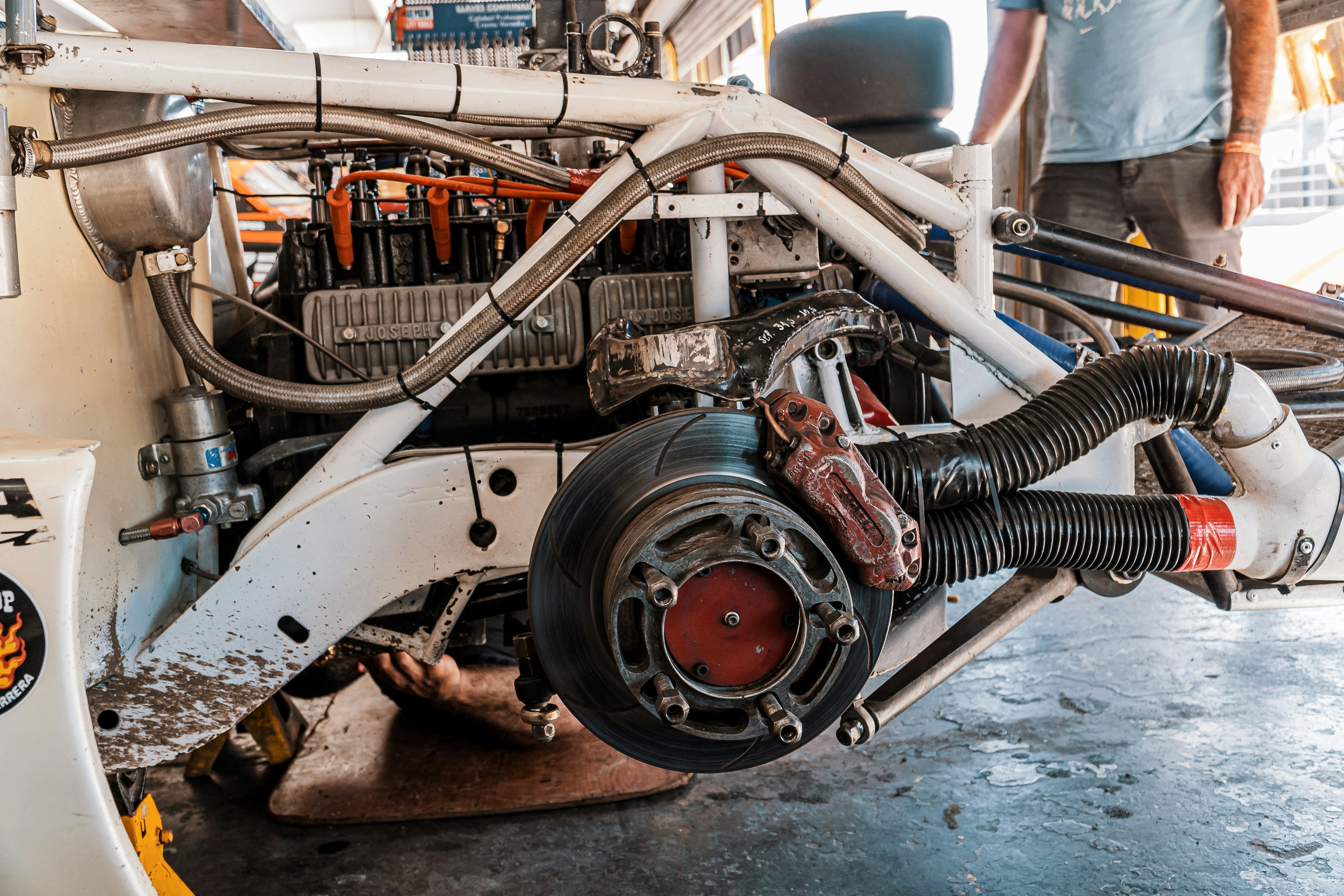
What is a Crankshaft Sensor?
A crankshaft sensor is a vital component in an internal combustion engine, primarily responsible for monitoring the position and rotational speed of the crankshaft. This component plays a significant role in the functioning of the engine’s management system, as it provides crucial data that ensures optimal performance and efficiency.
Traditionally, crankshaft sensors can be found near the bottom of the engine, mounted on or around the engine block. In some designs, they may be integrated with other sensors, thereby enhancing their functionality. The most common types of crankshaft sensors include magnetic induction sensors and Hall effect sensors. These sensors detect the rotational position of the crankshaft through the use of electromagnetic fields or changes in voltage.
The primary function of a crankshaft sensor is to relay information about the crankshaft’s position to the engine control unit (ECU). This information is essential for accurate timing of fuel injection and ignition. A well-functioning crankshaft sensor enables the ECU to adjust various parameters, such as air-fuel mixture and ignition timing, which directly influence engine performance, emissions, and fuel efficiency.
Additionally, crankshaft sensors contribute to the detection of engine misfires, aiding in the maintenance of smoother engine operation. When a fault occurs within the sensor, it can lead to performance issues, such as rough idling, stalling, or difficulty in starting the engine. As such, regular inspection and maintenance of the crankshaft sensor are crucial to ensure its functionality and the overall health of the engine.
Importance of Accurate Engine Position Detection
Accurate engine position detection is a critical aspect of modern automotive technology, particularly as it pertains to crankshaft sensors. These sensors are instrumental in monitoring the position and rotational speed of the crankshaft, thereby providing vital information necessary for optimal engine performance. When the crankshaft sensor delivers precise data, the engine control unit (ECU) is able to adjust key parameters such as ignition timing and fuel injection. This precise control is essential for maintaining the engine’s efficiency and power output.
One significant impact of accurate crankshaft position detection is its influence on ignition timing. In internal combustion engines, the timing of the ignition spark must be meticulously synchronized with the position of the crankshaft to ensure that fuel combusts at the optimal moment. If the crankshaft sensor fails to provide accurate readings, it can lead to premature or delayed ignition, resulting in decreased engine power, increased emissions, and reduced fuel efficiency. Thus, ensuring that the crankshaft sensor operates correctly is paramount to achieving optimal ignition timing.
In addition to ignition timing, crankshaft sensors also play a crucial role in fuel injection management. Fuel injectors rely on information from crankshaft sensors to determine the exact moment to dispense fuel into the combustion chamber. If the engine position detection is inaccurate, it can lead to improper fuel delivery, either flooding the engine with too much fuel or starving it of fuel. This imbalance can further exacerbate engine wear and negatively impact overall performance. Therefore, maintaining accurate data from the crankshaft sensor is essential not only for efficiency but also for the longevity and reliability of the engine.
Cost and Availability of Crankshaft Sensors
Crankshaft sensors, essential components for accurate engine position detection, are generally available at a reasonable price point. The typical cost for a crankshaft sensor is around $25, making it an affordable option for vehicle maintenance. Factors such as the make and model of the vehicle can slightly influence the pricing, but many aftermarket options remain within a similar range.
There are several avenues for purchasing crankshaft sensors. Consumers can choose from various online platforms, including major e-commerce websites, where a wide selection is available. These platforms often provide customer reviews, which can aid in choosing a reliable product. Additionally, many specialized automotive parts websites cater specifically to car repair, offering detailed specifications and compatibility information. Availability through online stores usually ensures competitive pricing and options that may not be readily found at local auto parts shops.
For those who prefer a hands-on shopping experience, brick-and-mortar auto parts stores are plentiful in both urban and suburban areas. National chains often stock a variety of crankshaft sensors, providing customers the opportunity to consult with knowledgeable staff about their specific needs. This face-to-face interaction can be particularly beneficial when seeking guidance on installation or product specifications.
In summary, the cost of crankshaft sensors is accessible for most drivers, typically around $25, and they can be easily procured through various online and offline channels. Ensuring compatibility and quality should always be a priority, whether shopping online or in-store, to maintain the integrity of vehicle performance.
Signs of a Failing Crankshaft Sensor and Replacement Tips
The crankshaft sensor plays a vital role in engine performance, and when it begins to fail, various symptoms may emerge. One of the most common indicators of a failing crankshaft sensor is engine misfires, often resulting from incorrect timing of fuel injection or ignition. This misalignment can lead to rough idling or poor acceleration, which significantly impacts the driving experience.
Another notable sign is the engine’s inability to start. A malfunctioning crankshaft sensor can interfere with the engine management system’s ability to determine the crankshaft’s position, thus preventing the engine from firing up. If the check engine light illuminates on your dashboard, this could also be a signal that the crankshaft sensor requires immediate attention.
When diagnosing these issues, it is essential to conduct thorough checks. If you suspect a fault in the crankshaft sensor, starting with an OBD-II scanner can help pinpoint the issue. Error codes related to the crankshaft position often appear in the scanner’s output. If you are technologically inclined, you might consider replacing the sensor yourself. The replacement process generally involves locating the sensor, disconnecting it from the electrical connector, and then removing it from the engine block. Installing the new sensor requires reversing these steps.
However, if you are not familiar with engine components or lack the necessary tools, consulting a professional mechanic is advisable. Professional assistance ensures that the replacement is conducted correctly and efficiently. This is particularly important because improper installation can lead to further complications, exacerbating existing problems. Therefore, monitoring for symptoms and acting promptly can help maintain engine functional integrity.